Unique flowers
Unique flowers
Flowers are some of the most beautiful gifts that anyone can give. They are timeless, classy and can instantly brighten up occasions. It is very common to see roses, carnations and lilies being used. But there are multiple rare and unique flowers that you should think to incorporate into your bouquets to make them quirky or even in your backyard to add some fun. So here we are with some flowers that we guarantee you would have never thought to add to your flower delivery.
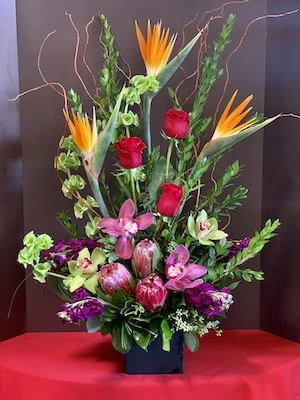
Bird of paradise
These bi-colored, uniquely shaped beauties are indigenous to South Africa and enjoy hot, humid climates and acidic soil. Coming in bright orange, blue or white, they symbolize freedom and joy.
Himalayan poppies
Bright blue with fuzzy yellow centres, these flowers are fickle to grow. They grow well in summers that are not too warm and soil with not too much moisture. They are known for their sky-blue hue that is completely unlike common red poppies. They symbolize peace and remembrance.
Secret Lust Coneflower
This flower is known to sport a puffy hairdo in the centre. Moreover, it has a dual fragrance and changes color over its growth. They grow in full sun and well-drained soil. They symbolize… you guessed it; a secret affair.
Black roses
Ok hear us out. Yes, roses are overused. Yes, they are common. But a black rose is bound to be a showstopper in a bouquet. Natural black roses are some of the rarest but there are some excellent dark red or dark blue dupes. They thrive in warm climates and acidic soil the best, however they are very hardy flowers. Black roses symbolize birth and rejuvenation. Be sure to add this to your flower delivery!
Perfect Storm Hibiscus
The Perfect Storm Hibiscus also known as the rose mallow is a hardy hibiscus. The bi-colored bloom is known for its impressive size, towering 3 feet with the flower up to 8 inches across. Its striking foliage has a distinct dark color and is a beautiful addition to any bouquet. They grow well full sun and evenly moist, well-drained soil. The hibiscus has many connotations such as purity, knowledge, platonic love, passion and happiness.
Bleeding hearts
This cultivar’s name aptly describes the heart shape of the flower. These flowers appear in large numbers on one branch, sometimes up to 20! Interestingly, despite the flower’s tropical origin, they thrive better in cool climates. This pendant-like bloom is multi-colored with gold, white or red accents on a mostly fuchsia or red body. They symbolize true love and compassion for those suffering. Many use this flower to show their true emotions and wear their heart on their sleeve.
Dove orchid, Monkey orchid and more…
Orchids are beautiful blooms that we encounter often in bouquets. However, this amazing cultivar has some many varieties and colors to offer; the possibilities are endless. From purple to blue to white and types like the dove orchid or the monkey orchid, they truly offer something for every eye. Despite, the natural orchid being such a timeless beauty, its time to show some love to other orchid types too. They typically grow well in well-lit conditions. This is another blossom with many meanings from innocence to royalty, friendship to respect and pride to boldness.
Calla lilies
When thinking of a calla lily, you may imagine a bell-shaped, white flower. However, calla lilies come in many varieties like pink, yellow, purple and more. They feel like home in slightly moist and directly lit conditions. Calla lilies are a spectacular addition to any flower delivery. These amazing cultivars symbolize different things with different colors:
• White: purity and innocence
• Pink: appreciation and admiration
• Purple: charm and passion
• Yellow: gratitude
Sunflower
A sunflower’s large, yellow blossom can brighten up anyone’s day. It may not be the first choice for a bouquet, but it is a choice you can never go wrong with. They are hardy flowers that grow in warm climates. The sunflower is a very happy-looking plant that comes in many colors! The universally known yellow flower has white, orange, brown and multi-colored cousins. They symbolize loyalty, power, nourishment and warmth. Moreover, the sunflower is also a symbol for a world free from nuclear weapons.
Snapdragon
Snapdragons bear a beautiful whorl of blossoms atop a slender stalk. This annual flower is a favorite for its unique ability to snap open like a puppet. These beautiful cultivars appear in a multitude of colors except blue. They thrive in cooler conditions with well-draining, moist soil and partial shade. They are symbols of spirituality, love, positive energy and good luck.
Chocolate cosmos
The chocolate cosmos is any chocolate fanatic’s dream. The beautiful bloom has rich gradient from maroon to brown with velvety petals that look like ripples of chocolate. The flower even has a distinctive, sweet cocoa scent. They live off acidic soil with a relatively low need for maintenance. It is a symbol for October-born babies (shout-out to Libras and Scorpios) and shows intense love and sensual attraction. After all, what is sexier than chocolate?
Middlemist Camellia
These large and conspicuous blooms are truly some of the rarest and most unique flowers in the world. In fact, the Middlemist Red is the rarest bloom on Earth with only two plants in existence. This cultivar is native to New Zealand and thrive in acidic condition with cool climates. Camellia is cultivated to extract tea and are almost extinct in the wild. This blossom had strong connotations with luxury as it was exported as a luxury good for centuries. Now the bloom carries meanings of longevity, desire and perfection.
If you are looking for a way to revamp a classic gift, unique flowers are a way to go. Along with being a fantastic icebreaker on first dates, you can highly tailor your flower delivery for our loved ones. Be sure to add these on you next order for a flower delivery for a truly special gift.
Some of the most unique flowers can be found at the tropical section of Enchanted Florist in Spring Hill Tn website https://www.enchanted-florist-franklin-tn.com/tropical-flowers.html
Comment(s)
Recent Posts